


Court of Protection financial planning for clients who have complex care needs requires a unique blend of financial expertise, empathy, and long term partnership. For deputies—whether professional or lay—the responsibility of managing another person’s finances must balance immediate needs with long‑term sustainability.
At Nelsons, our role goes far beyond simply investing money. We work alongside deputies, case managers, occupational therapists, and legal professionals to provide a financial framework that supports the client throughout their lifetime. The result is a collaborative, responsive service that helps ensure funds are preserved, accessible, and aligned to the individual’s evolving needs.
1. Managing cash and liquidity for everyday and unexpected needs
Clients with significant care needs often face fluctuating expenses—from increased care packages to urgent household adaptations or specialist equipment to support their wellbeing. For deputies, being able to access funds quickly and efficiently is essential.
We help by:
- Creating structured cash reserves so that essential spending is always funded without disrupting long‑term investments.
- Forecasting short‑ and medium‑term liquidity requirements, ensuring unexpected costs can be met without delay.
- Responding promptly to withdrawal requests, recognising that deputies sometimes need funds urgently—for example, to pay for private medical treatment or specialist mobility equipment.
Case example:
A client required an immediate increase in overnight care following a change in medical needs. Because we’d already built a liquidity strategy into the financial plan, the deputy was able to access the required funds within days without affecting the long‑term investment strategy.
2. Long‑term planning through cashflow forecasting
A central part of our work is building detailed cashflow forecasts that give deputies clarity over the sustainability of the client’s finances. This is particularly important where the client may require lifelong specialist care or where expenditure is expected to increase over time.
Our modelling helps deputies understand:
- How long funds are likely to last based on current and projected care needs
- The affordability of property adaptations or new housing solutions
- The impact of inflation, particularly care cost inflation
- Future planning around replacement equipment, therapies, or increased support hours
Clear, scenario‑based forecasting provides reassurance that decisions made today remain in the client’s best interests long into the future.
3. Investment management with a court of protection mindset
While investment is only one part of the overall picture, it does remain a key component in ensuring funds last as long as possible.
Our approach includes:
- Designing a risk‑appropriate portfolio, taking into account the client’s age, health, needs and expected longevity of funds
- Regular rebalancing and reviews, ensuring the strategy remains aligned with fluctuating circumstances
- Working within the Office of the Public Guardian’s guidance, providing deputies with documentation that is clear, transparent, and suitable for annual reporting
Importantly, the investment strategy is always built on the foundation of the cashflow forecast, with the aim of balancing long‑term growth with near‑term security.
4. Collaborative working with the wider professional team
Clients in the Court of Protection space usually have a team around them—solicitors, case managers, occupational therapists, and sometimes clinical specialists. Through working closely with these professionals, we ensure the financial strategy supports the practical needs on the ground.
This might involve:
- Discussing housing recommendations from an OT and modelling affordability
- Assessing budgets for specialist equipment or vehicle adaptations
- Working with case managers when care packages need to be increased
- Helping deputies factor in respite care or holiday support
This integrated approach ensures the plan remains fully aligned with the client’s wellbeing.
5. A relationship that lasts for the client’s lifetime
Perhaps the most important aspect of financial advice in this context is continuity. Many clients will require support for decades, and having a trusted adviser who understands their history, needs and preferences helps bring stability and consistency.
Over time, we:
- Review the plan regularly to reflect changes in health, care arrangements, or spending
- Support new deputies if responsibility transfers
- Provide updated forecasts when major decisions arise
- Help ensure the client’s funds remain protected, sustainable, and well-managed
This long‑term partnership offers deputies reassurance that they are making well‑informed, defensible decisions that support the client’s best interests.
Conclusion
Court of Protection financial planning is about more than managing money—it’s about safeguarding quality of life. By combining liquidity planning, cashflow forecasting, investment management, and close collaboration with the wider support team, we help deputies ensure that funds are accessible, sustainable and used effectively to meet the client’s needs.
For professionals working in this field—whether legal, clinical or case management—understanding how financial advisers support deputies can help strengthen the overall care framework and deliver better outcomes for vulnerable individuals.
How can we help?
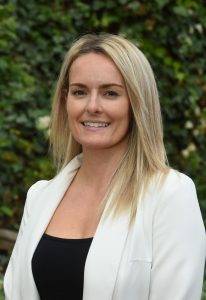
Zoe Till is a Partner and Chartered Financial Planner in our expert Independent financial advisers team. Zoe’s areas of expertise include investment advice, retirement planning, IHT and lifetime cash flow modelling.
If you would like any advice concerning court of protection financial planning, please get in touch with Zoe or another member of the team in Derby, Leicester, or Nottingham on 0800 024 1976 or via our online form.
Contact usIf this article relates to a specific case/cases, please note that the facts of this case/cases are correct at the time of writing.