





There is something oddly comforting about a murder mystery. We follow the clues, suspect everyone in turn and wait for the final reveal. That is part of the charm of The Sheep Detectives, the 2026 mystery comedy based on Leonie Swann’s novel Three Bags Full, in which a flock of sheep set out to solve the death of their shepherd, George Hardy.
It is light-hearted, unusual and deliberately far-fetched. But the central idea is familiar to anyone who works in contentious probate: when someone dies, the truth is not always obvious. Families may be left trying to work out what really happened, who should inherit, whether a will is genuine and whether someone has gained from conduct that the law cannot ignore.
As contentious probate solicitors in England and Wales, we regularly advise clients where the story behind an estate is more complicated than it first appears. Two issues particularly relevant to the story in the Sheep Detectives that can turn an already painful bereavement into a legal dispute are forged wills and the forfeiture rule.
Why a film about sheep detectives is a useful way to think about probate disputes
In The Sheep Detectives, the flock does not accept the first easy explanation. They look again. They notice details. They question human behaviour. That is not a bad description of what happens in many inheritance disputes.
After a death, people often feel pressure to “just get on with it”. Probate may be started, assets may be collected and beneficiaries may be told that the will is valid. But if something does not feel right, it is important to pause before the estate is distributed. Once money has been paid out, putting things right can become much harder.
Contentious probate is often about careful investigation. That may include reviewing the will file, checking the circumstances in which the will was signed, considering medical evidence, examining relationships within the family and looking at whether someone had the opportunity or motive to interfere with the deceased’s wishes.
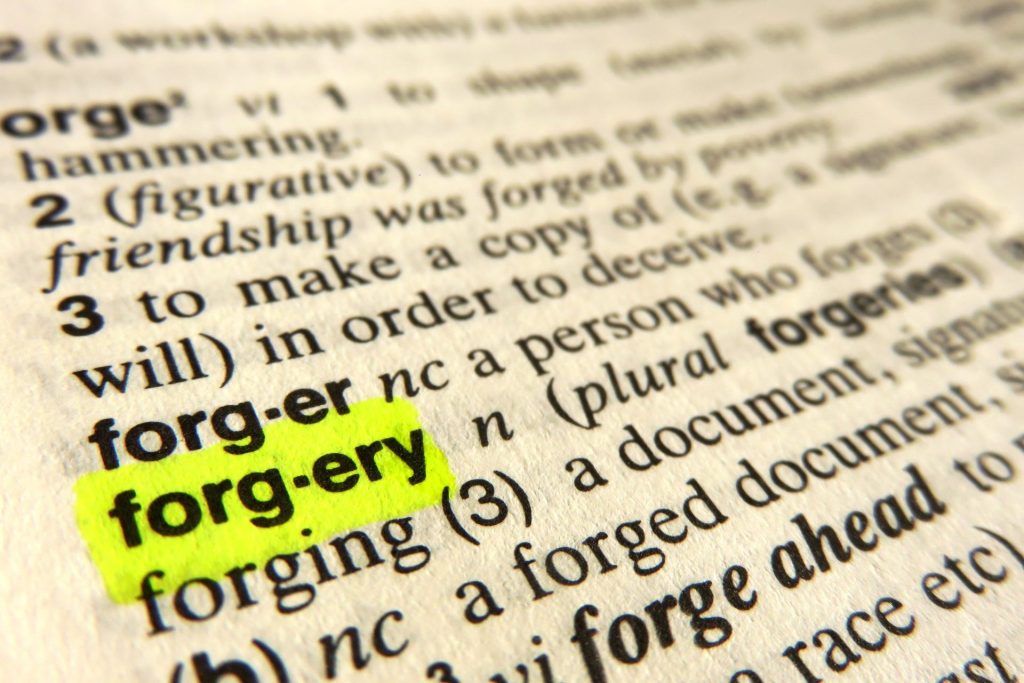
What is a forged will?
A forged will is a will that has not genuinely been made or signed by the person whose estate is in question. In some cases, the entire document may be fake. In others, the signature may be forged, pages may have been substituted or the document may have been altered after signing. The writer once had a case where the deceased’s standard practice was to sign a stack of his letterheads so that his secretary could type out letters for him and then send them out without him having to sign each one. After his death, a relative used one such letterhead to create a fake will that appeared to have been properly signed by the deceased.
Allegations of will forgery are serious. They should not be made lightly, not least because, if proven, they also carry criminal consequences. However, where there are genuine concerns, they should not be ignored either. A forged will can divert an estate away from the people the deceased actually intended to benefit and it can cause lasting damage within families.
Warning signs that a will may have been forged
No single factor proves that a will is forged, but there are common warning signs that may justify further investigation. These include:
- The signature looks different from the deceased’s usual signature and/or it looks less fluid/shaky;
- The will appears suddenly after death, especially if no one knew about it before, perhaps presented by a relative unlikely to have had access to it;
- The will makes unexpected changes that benefit one person significantly;
- The person who benefits was involved in arranging or storing the will;
- The witnesses are unknown, unavailable or closely connected to a beneficiary;
- The will is homemade and there is no solicitor’s file or professional record; and/or
- The deceased was vulnerable, isolated, seriously unwell or dependent on the person who benefits.
Just as the sheep in the film piece together small clues, a probate solicitor will often look at the wider picture rather than one document in isolation. Handwriting evidence, medical records, text messages, diary entries, solicitor attendance notes, witness evidence and bank records can all become relevant.
How do you challenge a forged will in England and Wales?
If you believe a will has been forged, you should take legal advice quickly. Depending on the stage the estate has reached, your solicitor may advise you to enter a caveat to prevent a grant of probate being issued while the dispute is investigated.
A forged will dispute may involve obtaining the original will, reviewing the circumstances of execution, requesting documents from solicitors or will writers, taking witness statements and instructing a handwriting expert where appropriate. The court will consider the evidence before deciding whether the will is valid.
It is important to remember that not every suspicious will is forged. There may be other grounds for challenge, such as lack of testamentary capacity, lack of knowledge and approval, undue influence or failure to comply with the formal requirements of the Wills Act 1837. A contentious probate lawyer can help identify the strongest and most appropriate route.
What is the forfeiture rule?
The forfeiture rule is the legal principle that a person should not benefit from their own wrongdoing. In probate, it most commonly arises where someone has unlawfully killed a person from whose estate they would otherwise inherit.
For example, if a person murders someone who has left them money in a will, the forfeiture rule prevents them from receiving that inheritance. The rule can also affect inheritance under the intestacy rules, jointly owned property, life policies and other benefits that arise because of the death.
The principle is simple, but the cases are often emotionally and legally difficult. The Forfeiture Act 1982 gives the court power, in certain cases other than murder, to modify the effect of the rule if justice requires it. That may become relevant in manslaughter cases, including cases involving diminished responsibility, coercive relationships or complex family circumstances or where the death arises through negligence, such as in a car accident.
Can forgery and forfeiture overlap?
Yes. Although they are different legal issues, forgery and forfeiture can arise in the same family dispute. For example, there may be concerns that a person has forged a will to increase their share of an estate. In another case, a person may be excluded from inheriting because of the forfeiture rule and a dispute may then arise over who inherits instead.
The key point is that inheritance disputes are rarely just about documents. They are about evidence, family history, conduct, timing and motive. A will may look valid on its face but still require careful scrutiny.
How a contentious probate lawyer can help
A good contentious probate lawyer will do more than simply threaten court proceedings. They will help you understand the strength of your case, preserve evidence, manage deadlines, consider settlement options and, where necessary, issue a claim.
Many will disputes settle without a trial, particularly where the parties understand the litigation risks and the evidence is properly tested. However, some cases do need firm action, especially where there is suspected fraud, concealment of documents or an executor who refuses to engage.
We can advise on forged wills, contested probate, caveats, executor disputes, inheritance claims, suspicious wills, validity challenges and the forfeiture rule in England and Wales as well as claims pursuant to the Inheritance (Provision for family and dependents) Act 1975.
Final thought: follow the clues before it is too late
The Sheep Detectives may turn a murder mystery into a warm and witty story about an unlikely flock of investigators, but real probate disputes are rarely so neat. When a will appears suspicious, or when someone may be prevented from inheriting because of serious wrongdoing, families need clear advice quickly.
If you are worried about a forged will, a suspicious inheritance, or the forfeiture rule, speak to a contentious probate solicitor as soon as possible. The earlier the clues are gathered, the better the chance of protecting the estate and honouring the deceased’s true wishes.
How can we help?
Kevin Modiri is a Partner in our expert Dispute Resolution team, specialising in civil disputes, insolvency, inheritance disputes, data breach claims and defamation claims.
If you want to discuss forged wills or something similar, please do not hesitate to contact Kevin or another member of the team in Derby, Leicester, or Nottingham on 0800 024 1976 or via our online enquiry form.
Contact us