


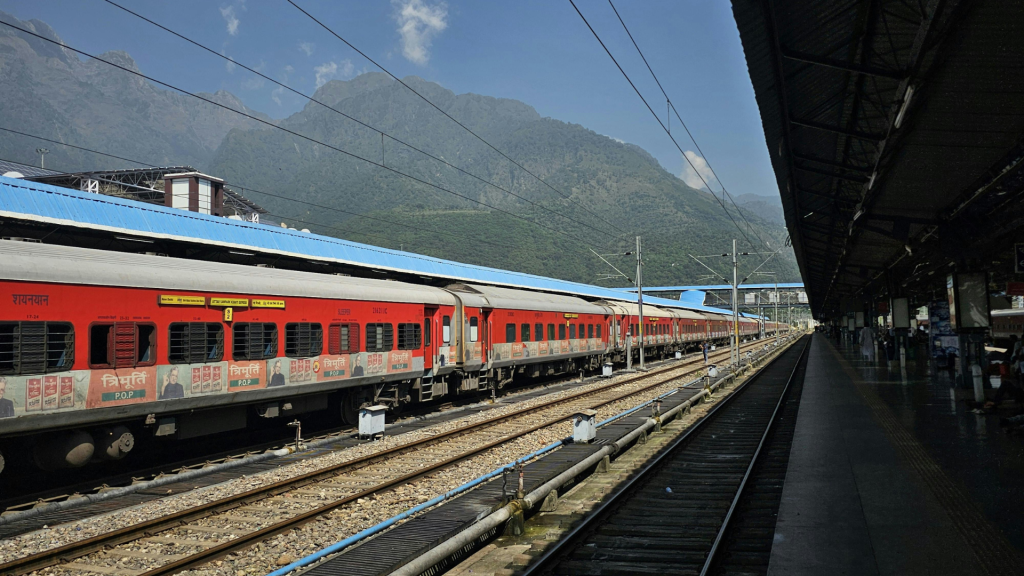
Nelsons’ Personal Injury, Legal Director and Solicitor, Dianne Collins is acting for a number of victims involved in the East Midlands Railway crash on 19 June 2026.
On 19 June 2026, two East Midlands Railway train services collided near Bedford in a devastating incident that resulted in the death of an EMR driver and injuries to more than 160 passengers. Investigations remain ongoing, but for many of those involved, the effects of the collision remain.
In the days following the collision, East Midlands Railway (‘EMR’) established a dedicated support line and welfare support team for those affected. Working alongside the British Red Cross, the service provided emotional and practical support to passengers and their families during the immediate aftermath of the incident.
Whilst that dedicated care line appears to have now been withdrawn, some individuals affected by the collision may still be dealing with the consequences of what happened. Physical injuries can take months to resolve, and for others, the psychological impact of the crash may only now be becoming apparent.
The Lasting Impact
Being involved in a serious railway accident can be a deeply traumatic experience. It is not uncommon for those involved in major transport incidents to experience psychological symptoms such as:
- Anxiety and panic when travelling;
- Flashbacks of the incident;
- Sleep disturbances and nightmares;
- Loss of confidence;
- Depression or low mood;
- Difficulties returning to work; and
- Symptoms associated with Post-Traumatic Stress Disorder (PTSD).
Many people initially focus on getting through the immediate aftermath of the event. It is often only once life begins to return to normal that the true impact of an accident becomes clear.
Personal Injury Claims – More Than Compensation
When people think about making a personal injury claim, financial compensation is often the first thing that comes to mind. Whilst compensation is an important part of any claim, it is only one aspect of the process. In many cases, one of the greatest benefits of bringing a claim is the possibility of accessing rehabilitation and treatment designed to support recovery.
The purpose of rehabilitation is to identify the support an injured person requires and to put that support in place as early as possible. For individuals affected by the Bedford train collision, this may involve treatment for physical injuries, psychological support, or a combination of both.
Rehabilitation Following a Railway Accident
Every individual’s recovery needs will be different. Depending on the circumstances, rehabilitation may include:
- Physiotherapy;
- Psychological therapy;
- Cognitive Behavioural Therapy (CBT);
- Occupational therapy;
- Pain management programmes;
- Support with returning to work; and
- Additional care and assistance where required.
Early intervention is often key; the sooner appropriate treatment is identified, the greater the prospect of achieving the best possible recovery. Many people assume they must wait until their claim concludes before any treatment can be funded. In appropriate cases, rehabilitation needs can be assessed and treatment recommendations made long before a claim is resolved. This can provide injured individuals with access to support at a time when they need it most.
How can we help?
Dianne Collins is a Senior Associate in our expert Personal Injury team, which has been ranked in Tier One by the independently researched publication, The Legal 500, and Commended in The Times Best Law Firms 2024. Dianne specialises in accident claims, including child abuse claims, criminal injury compensation claims and public liability claims.
For more information on the subject above, please contact Dianne or another member of the team in Derby, Leicester or Nottingham on 0800 024 1976 or via our online enquiry form.
Contact us